The Mere Presence Effect
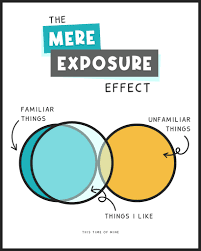 The Mere Presence Effect is a psychological phenomenon explaining that:
The mere presence of other people can change our performance,
even if they are not helping, speaking, or intentionally observing us.
Core Principle
When other people are present:
- Physiological arousal increases.
- The brain activates the dominant response.
- Performance depends on how skilled we are at the task.
What Is a Dominant Response?
A dominant response is the behavior that is most automatic or well-learned for us.
- If the task is well-practiced / easy → performance improves.
- If the task is difficult / unfamiliar → performance worsens.
Performance Effects by Task Type
| Task Type | Effect of Others' Presence |
|---|---|
| Simple / Well-learned tasks | Performance improves |
| Complex / New tasks | Performance declines |
Real-Life Examples
🎮 Gaming
- A game you play often → You may perform better when someone is watching.
- A new game → You may make more mistakes.
🏃 Sports
- Trained athletes → Often perform better in front of an audience.
- Beginners → May become nervous and perform worse.
🧑💻 Work
- Routine tasks → Productivity may increase.
- Analytical or creative tasks → Thinking may become harder.
Difference from Evaluation Apprehension
| Mere Presence | Evaluation Apprehension |
|---|---|
| Just the presence of others | Fear of being judged |
| No need to feel pressure | Requires concern about evaluation |
| Biological arousal effect | Cognitive/social anxiety effect |
Classic Research
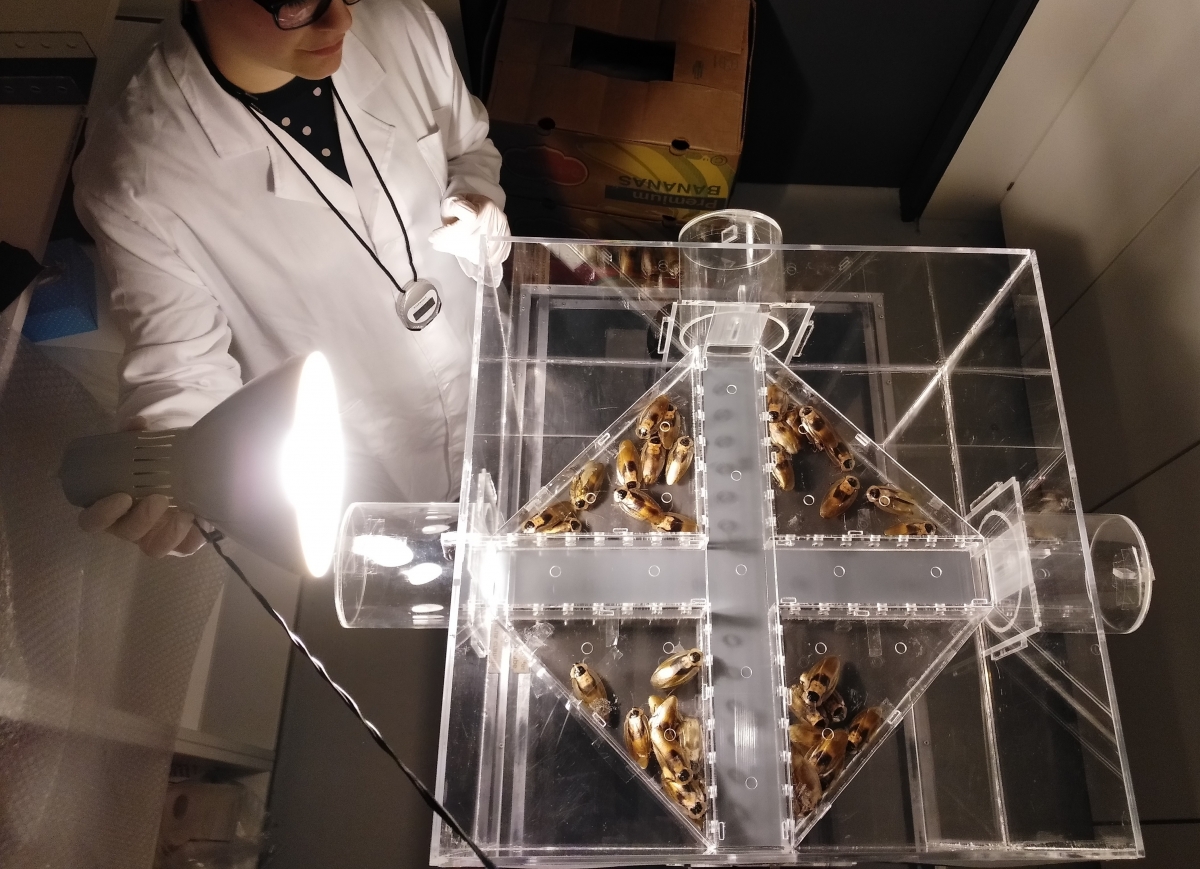 Robert Zajonc (1965) conducted experiments showing that:
- On easy tasks, subjects performed better when others were present.
- On difficult tasks, performance declined in the presence of others.
Even animals (e.g., cockroaches) showed this pattern.
Short Summary
Others = Increase arousal
Skill level = Determines outcome
If the task is well-learned → Performance improves.
If the task is difficult or new → Performance decreases.