Neuroplasticity: How the Brain Can Change and Rewire Itself Throughout Life
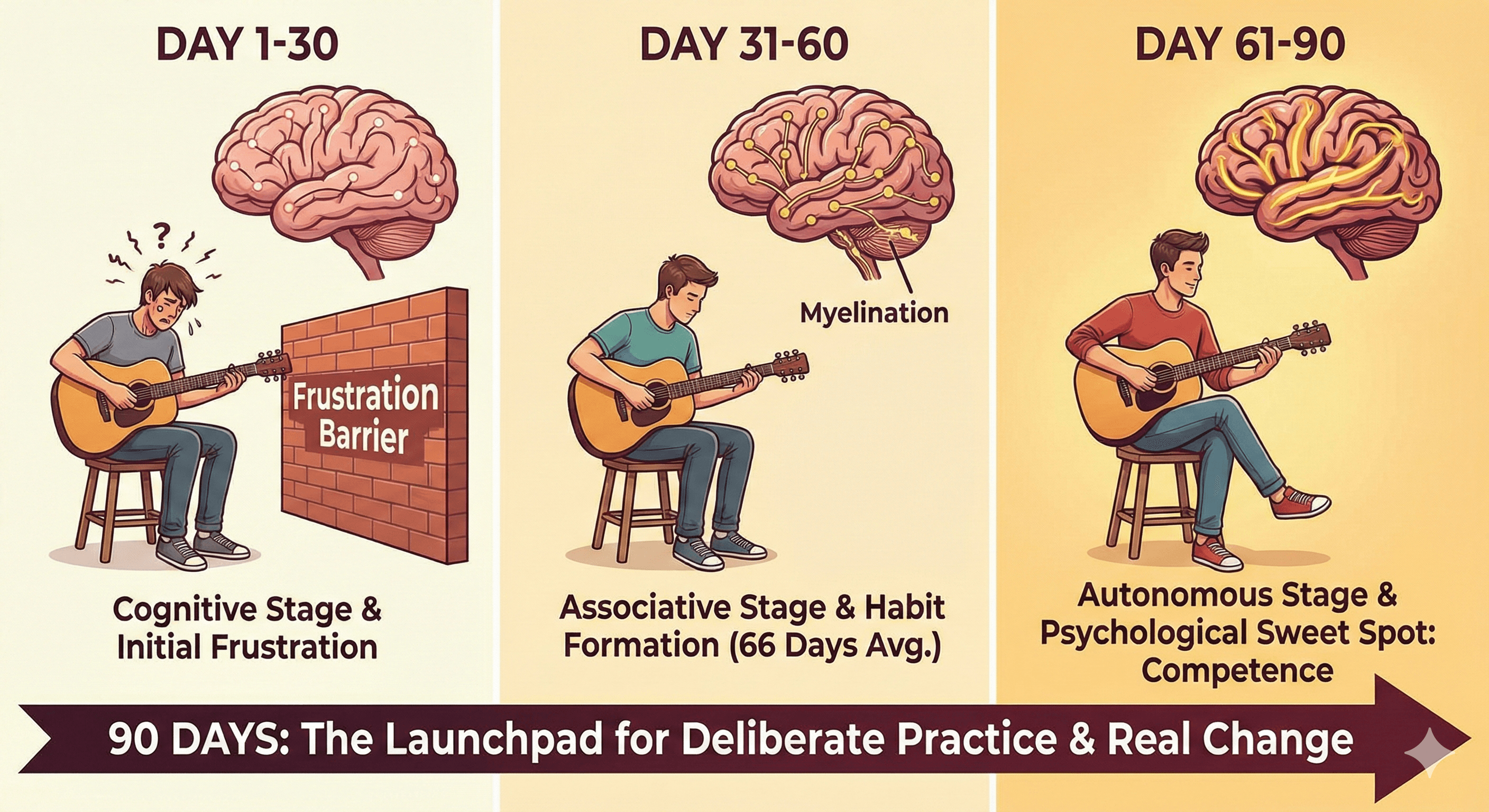
Neuroplasticity: The Brain Can Change at Any Age For many years, people believed that once we reached adulthood, the brain stopped developing. Aging was seen as a one-way path toward decline. Modern neuroscience tells a different story. The brain has a remarkable ability to reorganize itself throughout life. This ability is called neuroplasticity. Neuroplasticity refers to the brain’s capacity to form new neural connections, strengthen existing ones, and adapt in response to learning, experience, and even injury. In simple terms, the brain can “rewire” itself. How Brain Rewiring Works Every time you learn something new, practice a skill, or face a challenge, neurons communicate and form connections. When these connections are used repeatedly, they become stronger and more efficient. On the other hand, connections that are rarely used may weaken over time. This “use it or lose it” principle explains why continuous learning is essential for brain health. Importantly, neuroplasticity does not disappear with age. While processing speed may slow down, the brain’s ability to adapt remains. Neuroplasticity and Alzheimer’s Prevention Although no single activity can completely prevent Alzheimer’s disease, research suggests that mentally stimulating activities help build what scientists call cognitive reserve. Cognitive reserve acts as a protective buffer. Individuals with higher cognitive reserve often show symptoms of cognitive decline later and may cope better with age-related brain changes. In other words, consistently challenging the brain may help maintain cognitive resilience. Practical Neuroplasticity Exercises Here are evidence-informed strategies that support brain rewiring and cognitive health:
- Learn a New Skill Learning a new language, musical instrument, or digital skill stimulates new neural pathways. The more unfamiliar the task, the stronger the stimulation.
- Engage in Aerobic Exercise Activities such as brisk walking, running, or swimming increase blood flow to the brain and promote the release of brain-derived neurotrophic factor (BDNF), a protein linked to neuron growth and survival.
- Train Memory and Critical Thinking Puzzles, strategy games, analytical reading, and reflective writing help strengthen cognitive networks.
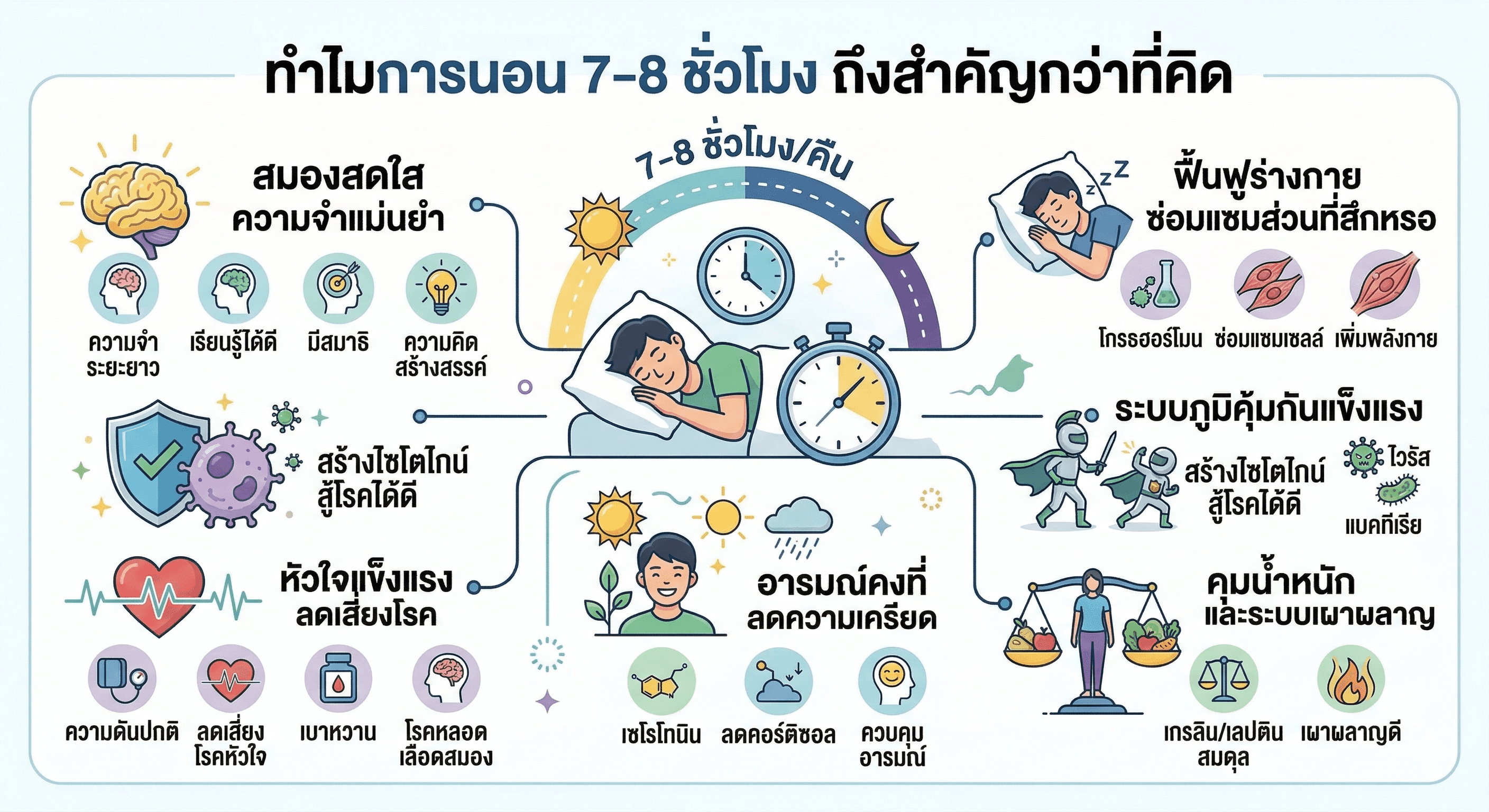
- Prioritize Quality Sleep Sleep plays a critical role in consolidating memories and reinforcing neural connections formed during the day.
- Develop a Growth Mindset Believing that abilities can improve through effort encourages persistence. A growth mindset supports continuous learning, which in turn stimulates neuroplasticity. Small Habits That Rewire the Brain Brain training does not always require complex programs. Simple changes such as using your non-dominant hand, taking a new route home, or reducing reliance on digital reminders can stimulate new neural activity. These small actions signal to the brain that adaptation is still necessary. Conclusion Neuroplasticity reshapes how we understand aging and learning. The brain is not fixed or static. It remains dynamic and adaptable throughout life. By continuously learning, moving, and challenging ourselves, we actively shape our brain’s structure and long-term cognitive health. Age may increase — but the capacity to grow remains.