Transactional Model of Stress
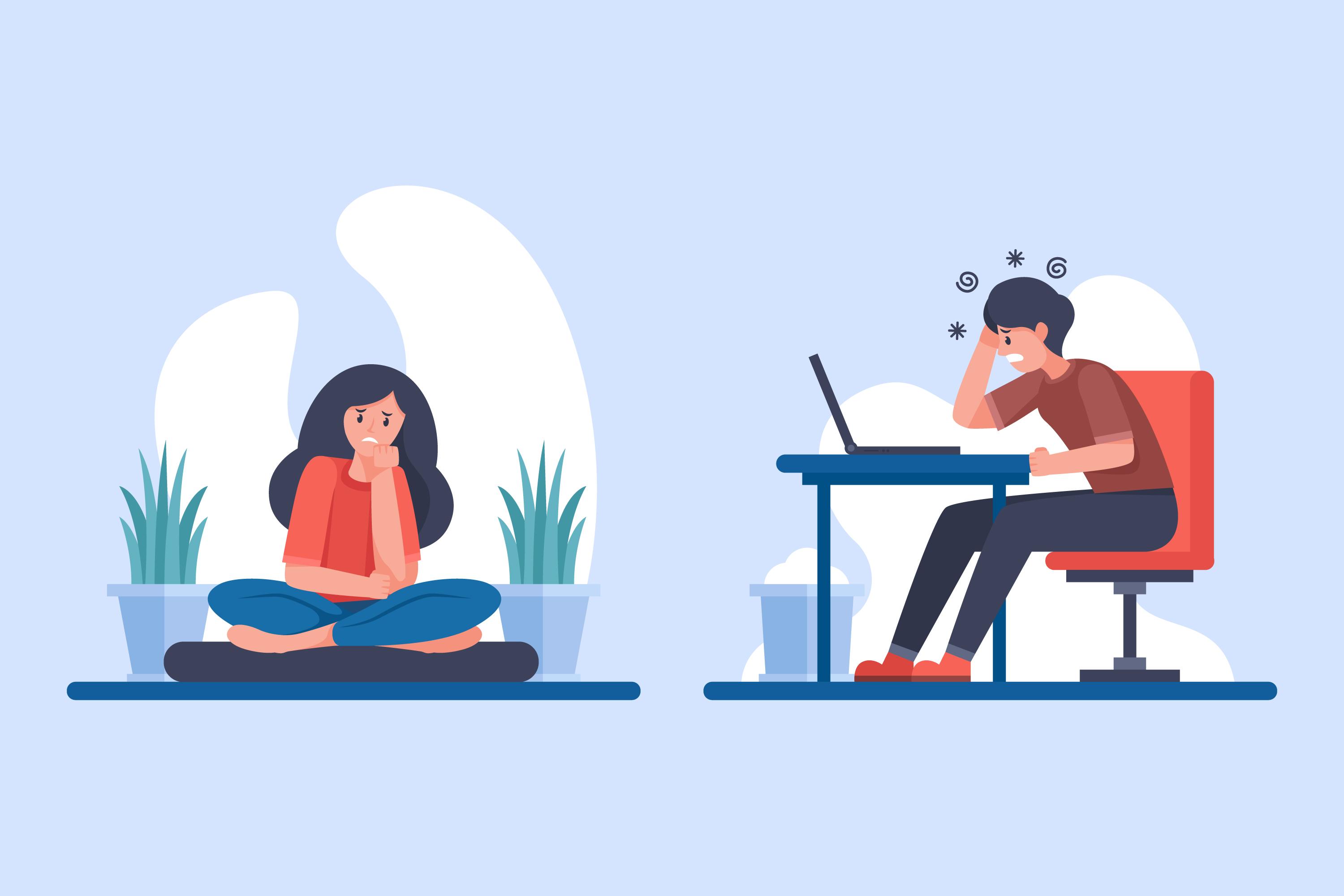 The Transactional Model of Stress explains that
stress does not come directly from events themselves,
but from how individuals appraise (interpret) situations and perceive their ability to cope with them.
This model was developed by Richard Lazarus and Susan Folkman.
Core Idea
- Stress is the result of an ongoing interaction (transaction) between a person and their environment.
- The same situation can cause different levels of stress in different people.
- Cognitive appraisal is the key factor in stress experience.
Main Components
1. Stressor
Any internal or external event that has the potential to cause stress, such as:
- Work pressure
- Exams
- Conflict
- Uncertainty
A stressor alone does not cause stress until it is appraised.
2. Primary Appraisal
The individual evaluates the meaning of the situation:
- Irrelevant – not related to personal well-being
- Benign / Positive – neutral or beneficial
- Stressful
- Harm / Loss – damage already occurred
- Threat – potential future harm
- Challenge – opportunity for growth or gain
3. Secondary Appraisal
The individual evaluates available coping resources:
- Skills and abilities
- Time and energy
- Social support
- Control over the situation
High stress occurs when a situation is seen as threatening and coping resources are perceived as insufficient.
4. Coping
Cognitive and behavioral efforts to manage stress.
4.1 Problem-focused Coping
Aimed at addressing the source of stress:
- Planning
- Taking action
- Seeking information or help
Best suited for controllable situations.
4.2 Emotion-focused Coping
Aimed at managing emotional responses:
- Acceptance
- Cognitive reframing
- Relaxation or emotional expression
Best suited for uncontrollable situations.
Reappraisal Process
- Outcomes of coping influence future appraisals.
- Past experiences shape how future stressors are evaluated.
Summary
- Stress is not determined by events themselves.
- It is shaped by how individuals interpret situations and assess their coping capacity.
- Changing appraisals and coping strategies can reduce stress.