Ikigai
What Is Ikigai? A Japanese Philosophy for a Meaningful and Long Life
Ikigai (生き甲斐) is a Japanese concept that can be translated as:
“The reason you wake up in the morning.”
It is not just about work.
It is not just about money.
Ikigai is about the meaning of being alive — where joy, skill, contribution, and sustainability come together.
The idea became widely known internationally through the book
Ikigai: The Japanese Secret to a Long and Happy Life (2016)
by Héctor García and Francesc Miralles.
The Ikigai Structure (The 4 Circles Model)
Ikigai is often explained using four overlapping circles:
- ❤️ What You Love
- 🧠 What You Are Good At
- 💰 What You Can Be Paid For
- 🌍 What The World Needs
The intersection of these four elements is considered your Ikigai.
Understanding It Simply
| If You Only Have... | You Get |
|---|---|
| Love + Good At | Passion |
| Good At + Paid For | Profession |
| Paid For + World Needs | Vocation |
| Love + World Needs | Mission |
| All Four Combined | Ikigai |
Ikigai is about balance, not just preference.
Ikigai Doesn’t Have to Be Grand
Many people assume Ikigai must be a world-changing life purpose.
But in traditional Japanese culture, it can be something small and consistent, such as:
- Taking care of family
- Growing vegetables
- Crafting by hand
- Teaching children in the community
- Exercising every morning
Ikigai is about consistent meaning, not dramatic success.
An Ikigai Example for Tech / Developers
Imagine you:
- Love coding
- Are good at frontend development
- The market needs web/apps
- You can get paid through freelance work or products
Your Ikigai may not simply be “writing code.”
It might be:
“Building applications that solve real problems for people.”
The difference:
- Writing code = a job
- Solving problems = meaning
Ikigai vs Passion
| Passion | Ikigai |
|---|---|
| Focused on what you love | Focused on life balance |
| May not generate income | Connects value and sustainability |
| Emotion-driven | Deep and steady |
Passion is energy.
Ikigai is direction.
A Simple Exercise to Discover Your Ikigai
Try answering these questions:
1️⃣ What You Love
- What makes you lose track of time?
- If money were not a concern, what would you do?
2️⃣ What You Are Good At
- What do people often compliment you on?
- Which skills have you developed over time?
3️⃣ What The World Needs
- What problems do you want to help solve?
- In what way do you want the world to improve?
4️⃣ What You Can Be Paid For
- Which of your skills can realistically generate income?
- What does the market currently demand that you can provide?
Look for the point where all four connect.
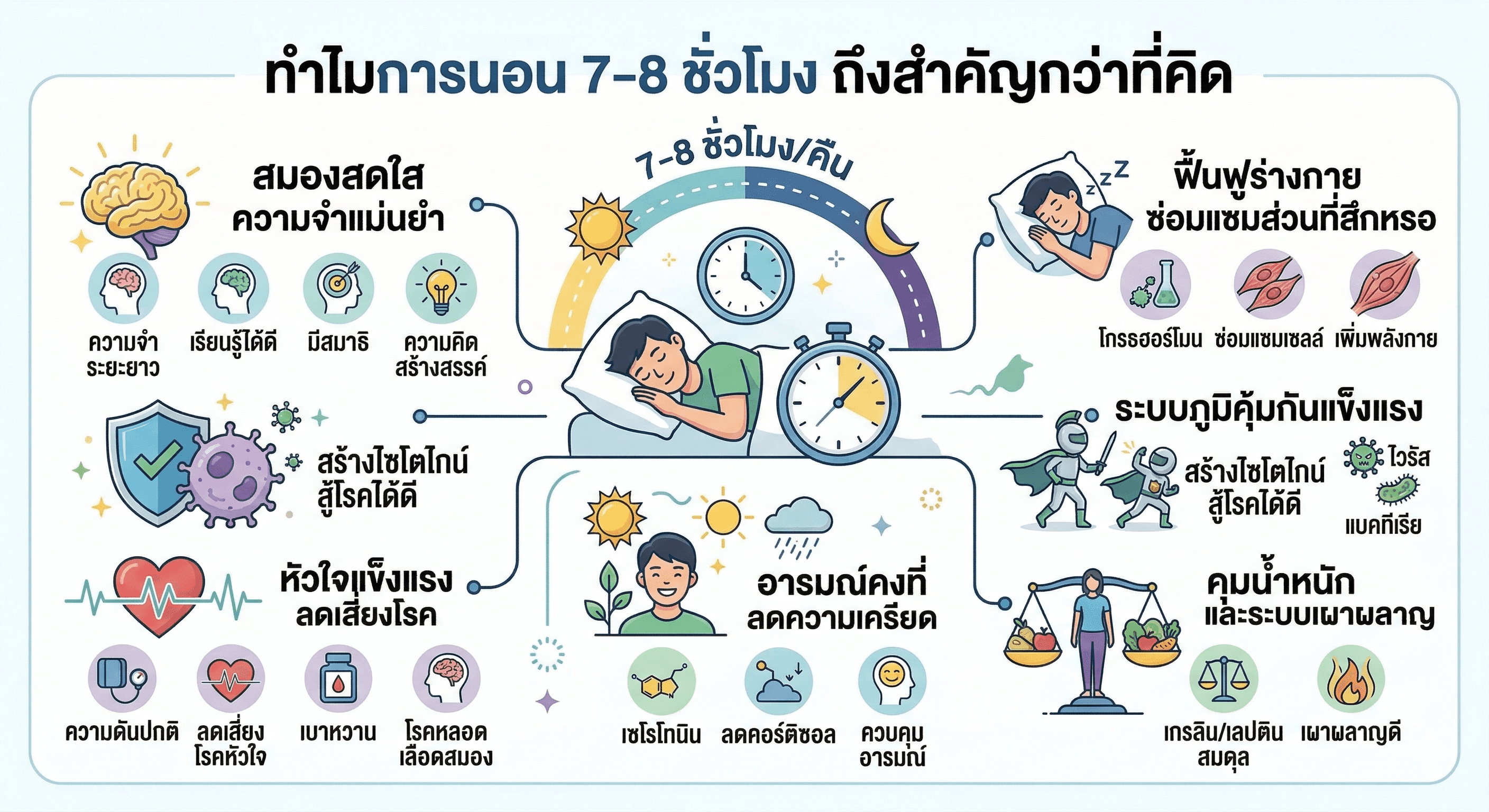
Ikigai and Longevity
This philosophy has been studied in regions with high life expectancy, such as Okinawa.
People with a strong sense of Ikigai often:
- Have better mental health
- Maintain a sense of purpose
- Build strong social connections
- Have a reason to stay active each day
Ikigai may not make you wealthy.
But it can make your life meaningful.
Final Thoughts
Ikigai is the intersection of:
- Love
- Skill
- Contribution
- Sustainability
It is not something you discover once and keep forever.
It evolves as you grow.
Final question:
If you wake up tomorrow feeling energized,
what would you be doing?
That might already be your Ikigai.