Sudden Unexpected Death Syndrome - SUDS

What is Brugada Syndrome?
Sudden Unexpected Death Syndrome (SUDS), often referred to as "Lai Tai" in Southeast Asia, is a condition of sudden cardiac arrest that typically occurs during sleep. It is particularly common among working-age individuals who appear outwardly healthy. This phenomenon usually happens without any clear warning signs. Medical experts believe it is primarily caused by an underlying electrical malfunction in the heart, often hereditary, which triggers severe arrhythmia (abnormal heart rhythm) during rest.
While genetics play a role, the **"trigger factors"** are even more critical. In many cases, these fatal episodes are provoked by accumulated chronic stress, severe sleep deprivation, or long-term late-night habits. Excessive alcohol consumption and smoking also play a significant part in disrupting the autonomic nervous system. Therefore, this condition isn't just a matter of "bad luck" or a sudden freak accident; it is often the cumulative result of physical exhaustion that has been silently building up to a breaking point.
---
## Realistic Prevention in Daily Life The most effective prevention isn't found in a pharmacy, but in consistently maintaining your **"physical foundation."** Here is how you can practically protect yourself:
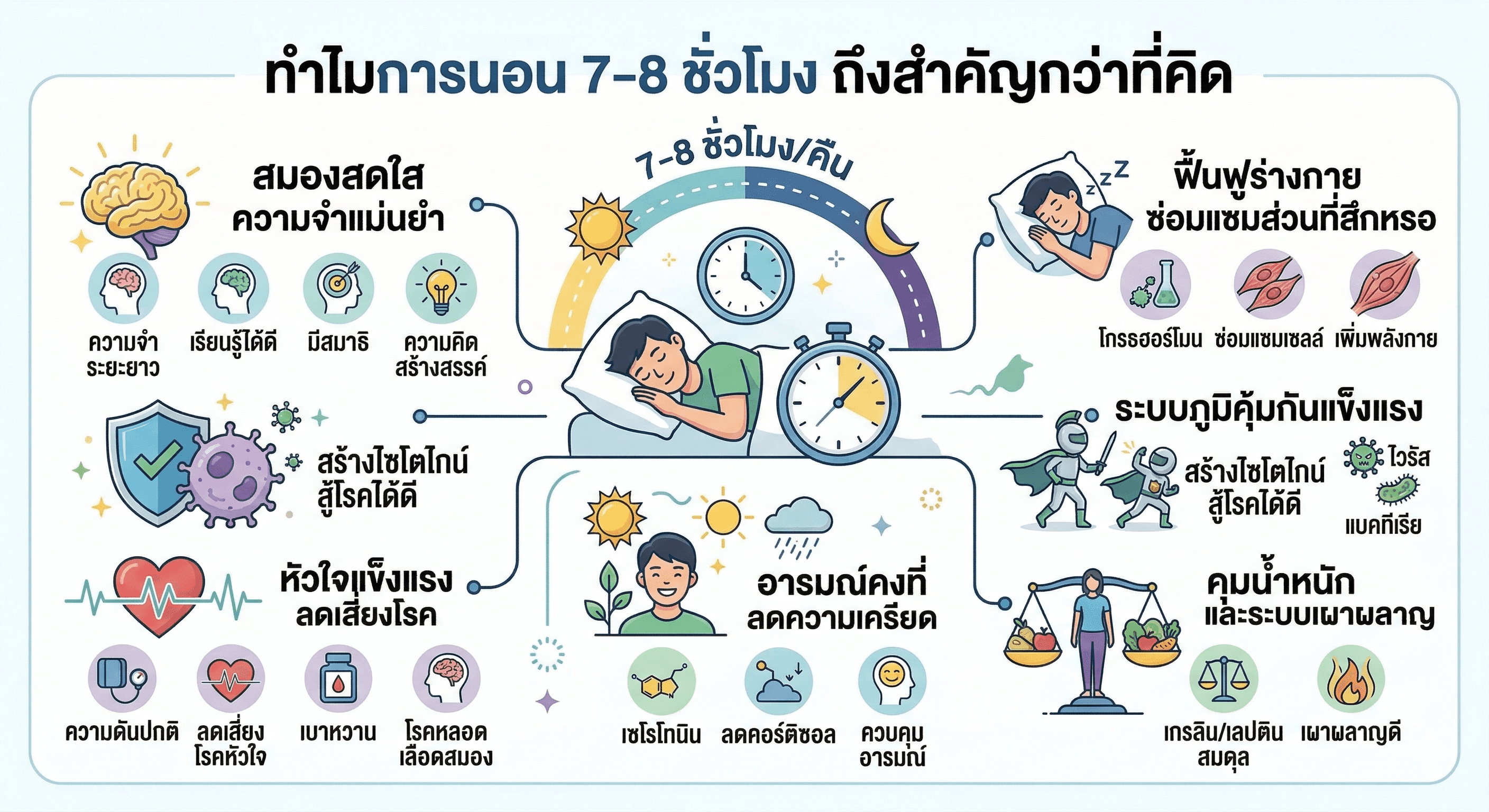
1. **Prioritize Sleep Hygiene:** Aim for 7-9 hours of consistent sleep. Avoid chronic sleep deprivation or frequent late nights, as sleep is the only time your heart truly gets to recover. 2. **Stress Management:** Don't let your body stay in a constant "Red Mind" (stressed) mode. Engage in activities that promote a "Blue Mind" state to reduce the workload on your cardiovascular system. 3. **Lifestyle Adjustments:** Moderate your alcohol intake, especially heavy drinking before bed, and avoid smoking, both of which are major triggers for irregular heart rhythms. 4. **Watch for Signs & Family History:** If you experience heart palpitations, dizziness, or fainting spells, or if you have a family history of sudden, unexplained death at a young age, consult a cardiologist for an EKG screening. 5. **Listen to Your Body:** Learn to recognize your physical limits. Do not push your body when you know you are beyond exhausted; that exhaustion might be the final warning sign your body can give.
---
Ultimately, SUDS is not a distant threat or mere misfortune. It is the **"quietest warning sign"** telling us that our bodies demand rest, attention, and serious care before it is too late.