Enough
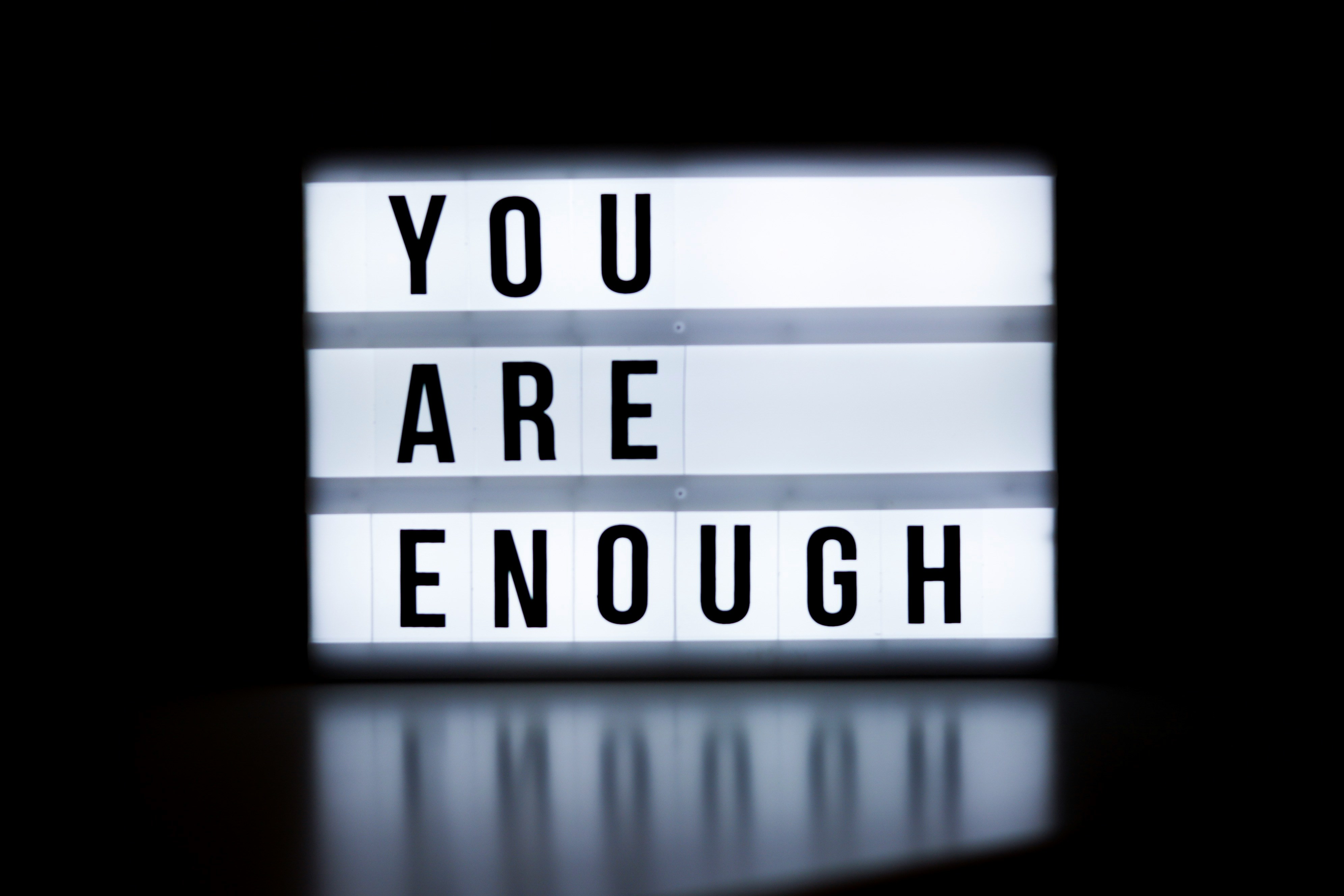
Why We Never Feel Satisfied — and How to Break the Cycle
In a world where everything is measurable —
likes, views, salary, promotions, followers —
the real question may not be:
“How can I get more?”
but rather:
“When is it enough?”
This is the core idea behind The Psychology of “Enough” —
a concept that explores why many people feel they never have enough, even when they already have more than they once dreamed of.
We Are Wired to Never Feel “Enough”
1. Hedonic Adaptation — The Happiness Treadmill
When we achieve something we want —
- A higher salary
- A promotion
- A new gadget
- Recognition
- More followers
Our happiness increases — but only temporarily.
Soon, the brain adapts and returns to its baseline.
The cycle looks like this:
Achieve → Feel good → Adapt → Want more
This is why a single success rarely creates lasting satisfaction.
2. We Define “Enough” Through Comparison
According to Social Comparison Theory,
we evaluate ourselves by comparing to others.
The problem? Social media exposes us to:
- The most successful
- The most attractive
- The wealthiest
- The most curated versions of life
As a result, “enough” keeps moving further away.
Even when we are doing well, it doesn’t feel that way.
3. Dopamine Doesn’t Care About “Enough”
The brain is not designed to stop.
It is designed to pursue.
Dopamine is released not when we feel satisfied —
but when we anticipate the next reward.
That’s why we:
- Keep scrolling
- Check notifications constantly
- Chase higher numbers
- Set bigger goals immediately
The system doesn’t ask, “Is this enough?”
It asks, “What’s next?”
What Happens Without “Enough”?
If we never define our own stopping point,
life becomes externally driven.
Common outcomes include:
- Burnout
- Anxiety
- Chronic dissatisfaction
- Endless competition
- Achievement without fulfillment
It becomes a race with no finish line.
What Do People Who Understand “Enough” Do Differently?
1. They Use Internal Metrics
Instead of asking:
- “Is this impressive to others?”
They ask:
- “Does this align with my values?”
- “Does this bring meaning?”
- “Am I at peace with this?”
2. They Set Conscious Limits
For example:
- This level of income supports the life I want.
- Working X hours a day is enough.
- Social media usage has boundaries.
Setting limits isn’t laziness.
It’s intentional living.
3. They Practice Gratitude
Research in psychology shows that gratitude increases life satisfaction and reduces endless consumption.
When we focus on what we already have,
“enough” becomes visible.
“Enough” in the Age of Social Media
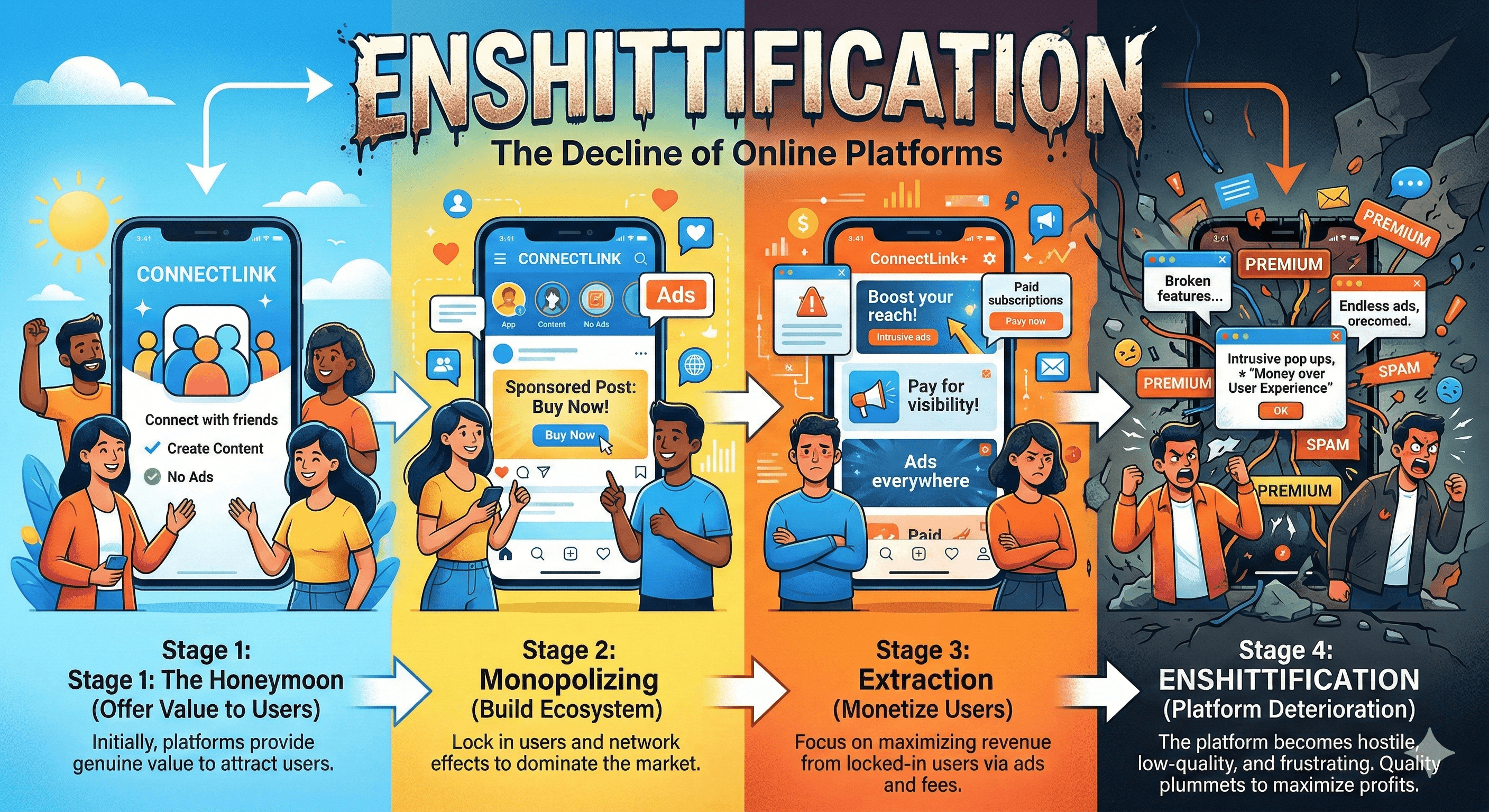
Platforms are not designed to make you feel satisfied.
Because if you feel satisfied, you stop engaging.
Algorithms constantly:
- Raise your baseline expectations
- Trigger comparison
- Reinforce the feeling of “not enough”
This is why many people are:
- Reducing social media usage
- Quitting certain platforms
- Choosing more offline time
Not because they hate technology —
but because they want to reclaim their sense of “enough.”
“Enough” Is Not a Lack of Ambition
It does not mean:
- Stop growing
- Stop dreaming
- Stop striving
It means:
You are conscious of what you are chasing — and why.
It’s not about having less ambition.
It’s about having awareness.
Reflection Questions
- If social media didn’t exist, would I still want this?
- Whose goals am I chasing?
- If I stopped at this level, would I respect myself?
- What does “enough” look like in my life?
Final Thought
The Psychology of “Enough” reminds us:
- The human brain is wired for “more.”
- Society constantly moves the goalpost.
- Without defining our own limit, we run endlessly.
And perhaps real success is not about accumulating more —
but about knowing