Anhedonia

What is Anhedonia?
Anhedonia is a condition where a person feels that "happiness has vanished," even when everything around them remains the same. There may not be a clear, tragic event; it is a silent symptom that many people don't even realize is wrong until they consult a doctor.
In psychology, this term refers to a reduced ability to experience pleasure. Recently, researchers have found that it’s not just about "not feeling good," but also includes no longer wanting to seek out happiness—as if the motivation itself has disappeared. This is linked to brain chemicals like Dopamine, which is responsible for desire, excitement, and drive.
What causes it?
Research indicates that Anhedonia can result from changes in the brain's reward system or from uncontrollable chronic stress, such as poverty, oppression, or prolonged discrimination. Over time, the brain adapts by entering a "no longer expecting anything" mode. Many people assume Anhedonia is synonymous with depression, but that isn't always the case. Some may feel indifferent for a short period, which is normal. However, if this feeling of emptiness persists for days, weeks, or months, it is a sign that should not be ignored.
How does it affect life if left untreated?
If not properly addressed, Anhedonia can affect emotions, sleep, appetite, relationships, and overall daily life. Some people continue to engage in their usual activities but feel nothing at all. For example, a patient who used to love going to concerts, dancing, and singing might find themselves just sitting still, unable to feel the joy they once did.
How do doctors treat it?
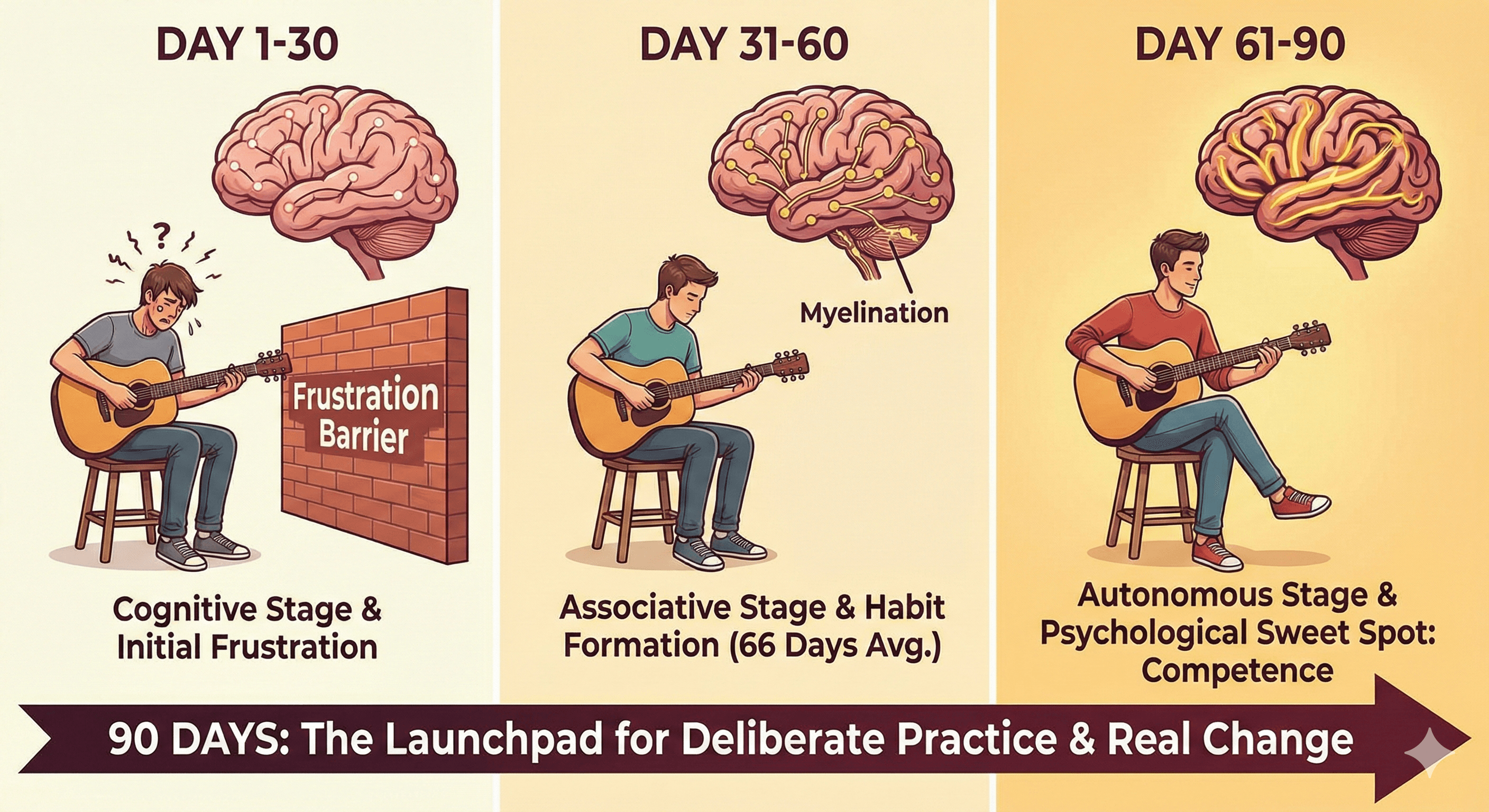
One of the key therapeutic methods is Behavioral Activation. The concept is that behavior can lead emotions back; we don't wait to feel good before acting. Instead, we gradually push ourselves to return to activities that are important to life, even if they don't feel rewarding at first. By taking action, the brain slowly relearns and remembers how to feel good again. Some doctors playfully call this "Nike Therapy" because the core principle is simply "Just Do It." Not because you want to, but because doing it might be the only path that leads you back to those feelings once again.