Wellness is Not a Trend—It’s the Future of Living

When “Health” is No Longer Just a Personal Matter
In the past, when we spoke about health, we often viewed it as an individual concern. If someone was sick, they sought treatment; if they were healthy, they were considered lucky—or perhaps just a budgetary burden on the public health system. But today, that image is shifting clearly. Health is no longer confined within hospitals; it is becoming one of the most significant economic drivers in the world.
A report by McKinsey indicates that the global consumer wellness market is currently valued at approximately $2 trillion per year and continues to grow. What is more interesting than the financial figures is the attitude of the people. Most consumers now view health as "very important or a top priority" in their daily lives. Health is no longer a secondary issue; it has become a core value of modern society.
Wellness Today No Longer Means Just “Not Being Sick”
McKinsey defines Wellness as a multidimensional state of well-being that covers more than just the physical body. It includes fitness, sleep, nutrition, mental health, mindfulness, and appearance. All of these are being reimagined as an interconnected "system," rather than fragmented pieces of care.
Based on in-depth analysis, the future of the health economy is being driven through 5 key dimensions:
1. Fitness: From an Activity → Part of Identity
Fitness is no longer just about exercising to avoid illness; it has become a part of one's identity. Especially among the younger generation, many don't just ask "Do you exercise?" but rather "What kind of person are you?" Going to the gym, running, or joining specialized classes has become a space where people express their identity, beliefs, and lifestyle.
2. Weight Management: From Personal Discipline → Health Systems
While exercise remains important, weight management today does not rely solely on individual effort. Doctors, technology, health apps, nutritionists, and medical treatments are playing a larger role. This reflects that health is no longer viewed as something you "must fight alone," but as an accessible support system.
3. Not Just Living Long, But Living with Quality
While humans are indeed living longer, what people truly want is vitality, independence, a sharp mind, and the avoidance of chronic diseases. Longevity is therefore not just for the elderly; it is a concept that the younger generation is beginning to invest in today. Health is viewed as a "long-term investment," rather than an expense incurred only when ill.
4. Women’s Health: A Massive Economic Gap
Women spend a significantly higher proportion of their lives in poor health compared to men, while many women's health services are still not designed with true understanding. If the health system can better meet women's needs, it won't just be about equality—it will be a global economic opportunity.
5. Well-being Beyond the Physical
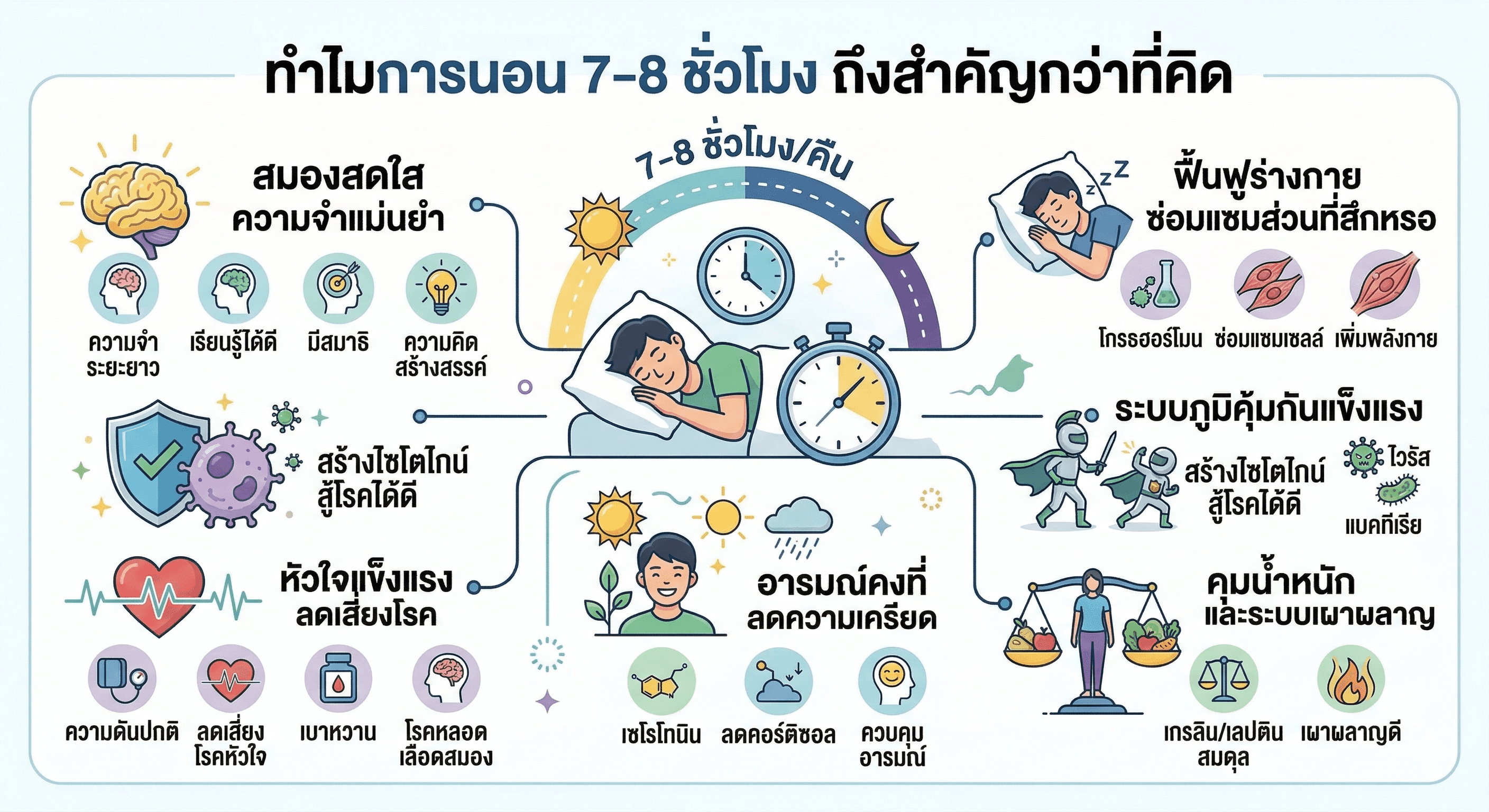
Finally, people do not measure health solely by blood test results, but also by relationships, the meaning of life, social participation, and the quality of sleep. Future Wellness is not about caring for the body in isolation, but about designing the entire system of life.
Wellness is not a trend; it is not just a lifestyle market. It is becoming the **new infrastructure of the economy and people's lives.** In a world where health is the new definition of wealth, individuals or organizations that understand health as a connection between body, mind, identity, and society will have a long-term advantage.
Source: Techsauce Team