Sleep Hygiene & Blue Light: Is Blue Light Really Harmful?
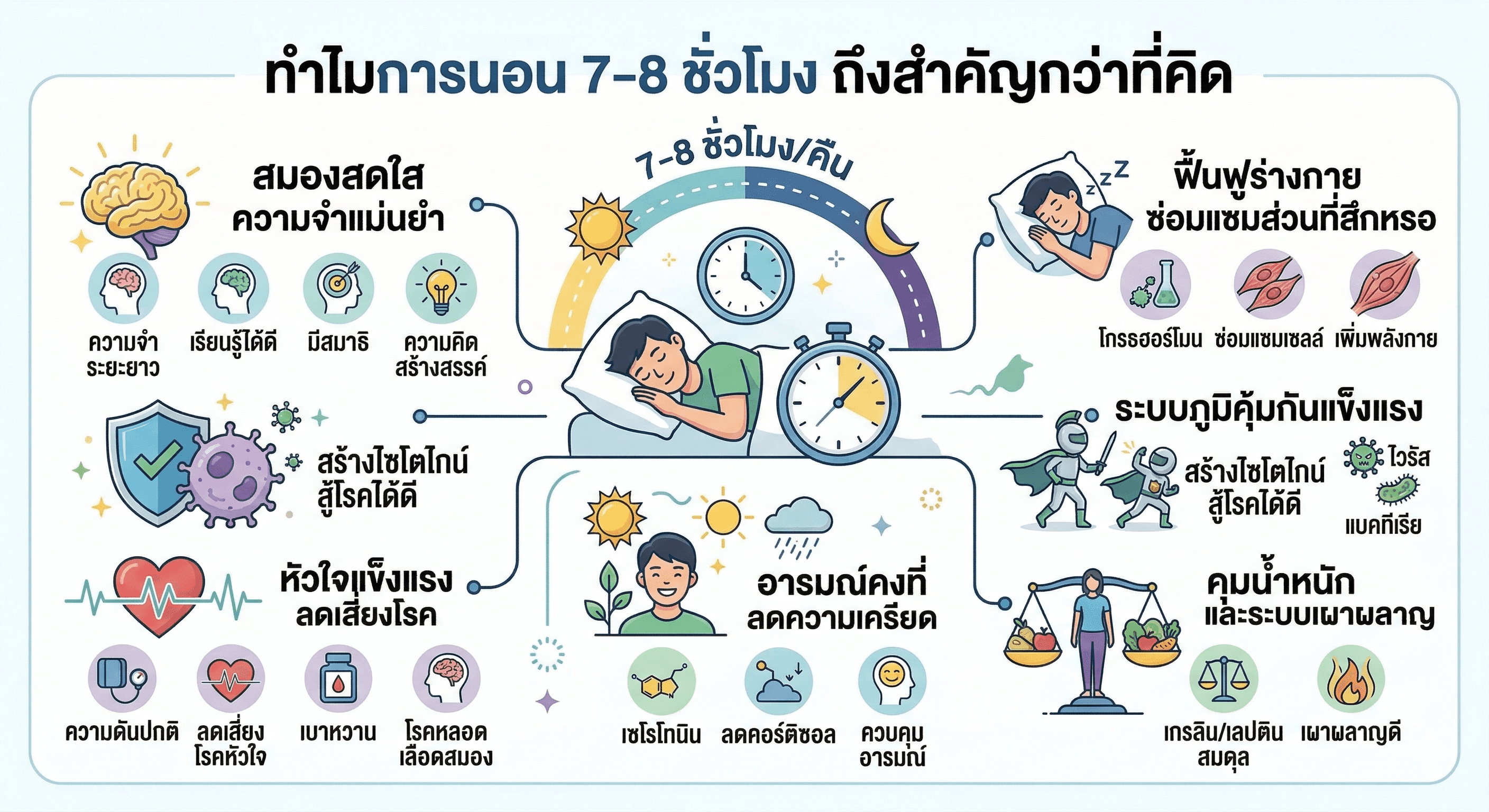
Sleep Hygiene & Blue Light: Is Blue Light Really the Villain? In recent years, blue light has been blamed as the main cause of poor sleep. Many people believe it is inherently harmful and should be avoided entirely. But the truth is more nuanced. Blue light is not the enemy. In fact, we need it — just at the right time. The real issue isn’t blue light itself. It’s timing. What Is Blue Light? Blue light is part of the visible light spectrum. It has a short wavelength and relatively high energy. Common sources include: Sunlight Smartphones Computer screens LED lighting The important question is not “Is blue light bad?” But rather: “When does it affect our body?” Blue Light and the Circadian Rhythm Humans have an internal biological clock called the circadian rhythm. It regulates sleep-wake cycles, hormone release, body temperature, and alertness. This rhythm responds strongly to light — especially blue light. The sine wave above represents how our biological rhythm rises and falls over a 24-hour cycle. When light exposure aligns with this natural pattern, our sleep improves. When it disrupts the cycle, sleep quality declines. Morning: Blue Light as a Wake-Up Signal Exposure to blue light in the morning: Suppresses melatonin Increases alertness Resets the biological clock This is why morning sunlight helps you feel energized. Just 10–30 minutes of natural light after waking can improve sleep at night. Night: Why It Becomes a Problem Melatonin is the hormone that promotes sleep. It naturally increases in the evening when light levels decrease. When we expose ourselves to screens at night, the brain interprets the signal as daytime. Possible effects include: Delayed sleep onset Reduced sleep quality Shifted circadian rhythm Does Night Shift Mode Help? Features like Night Shift mode or blue light filters reduce the blue wavelength emitted by screens. While they may reduce melatonin suppression to some degree, they are not a complete solution. More important factors include: Total screen time Screen brightness Exposure timing Technology settings help — but behavior matters more. Practical Sleep Hygiene Tips Sleep hygiene refers to habits that improve sleep quality. ✅ Get Morning Sunlight Natural light stabilizes your circadian rhythm. ✅ Avoid Screens 60–90 Minutes Before Bed Or at least lower brightness and use warm lighting. ✅ Use Warm-Toned Lights at Night Replace cool white LEDs with softer, warmer lights. ✅ Maintain Consistent Sleep-Wake Times Even on weekends. Common Misconceptions ❌ Blue light always damages the eyes → At normal usage levels, there is no strong evidence that typical screen exposure causes retinal damage. ❌ Night mode completely solves sleep problems → Extended nighttime usage still affects alertness. ❌ Insomnia is caused only by blue light → Stress, caffeine, irregular schedules, and anxiety also play major roles. Conclusion Blue light is not inherently harmful. It is a biological timing signal. Morning → We need it. Evening → We should limit it. Healthy sleep is not about fearing technology. It’s about aligning our habits with our biological rhythm. Sleep quality depends on timing — not just light.